A maintenance schedule you'll actually follow.
Dehumidifiers move large amounts of dirty air through small filters and across cold coils. Skip the cleaning and capacity drops, energy use creeps up, and eventually the drain pan turns into something you do not want to think about.
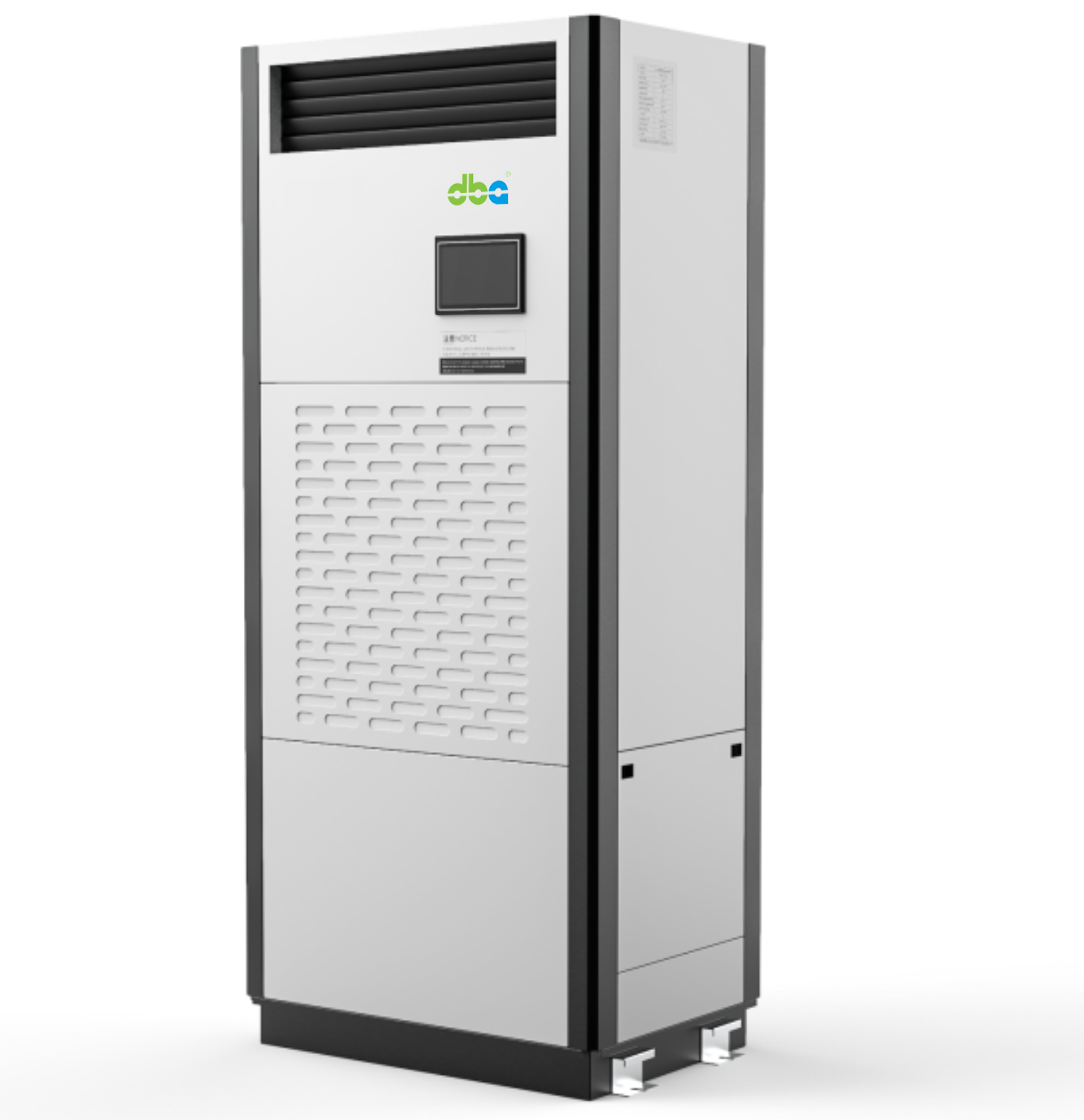
Most maintenance is mechanical hygiene — keep airflow clean and water moving. A 15-minute walk-around every month does 80% of what a planned-maintenance contract would do. Here is the schedule we hand new owners.
Every month
- Inspect the return-air filter. In Singapore homes near construction, near a road, or with pets, monthly is the right interval. Pull the filter, vacuum or rinse it, dry it, replace it. A blocked filter reduces airflow, which reduces capacity, which makes the unit run longer, which loads the filter faster — a feedback loop that ends with a tripped unit.
- Check the drain pan and the destination. Look into the pan via the access port and look at the drain destination. Both should be wet but moving. Standing water in the pan means the pump or drain is partly blocked.
- Wipe the humidity sensor. Dust on the sensor will not stop it working but will drift the reading by 3–5% RH after a year. A soft cloth — never compressed air — every month keeps it honest.
Every quarter
- Clean the evaporator and condenser coils. Drop the access panel, vacuum the fins gently with a brush attachment. For a unit that has been running 24/7 in a commercial setting, use a coil-safe cleaner spray and let it foam off. Singapore air dust + humid coil = a layer that insulates the coil and crashes capacity by 20% within a year.
- Flush the drain line. Pour 500 ml of warm water with a drop of dilute bleach into the drain pan via the test port. This kills the biofilm that grows in horizontal drain runs and is the main long-term cause of slow drainage.
- Look at the ducting joints. Especially flex duct in plenum heat — push gently on every tape joint. Loose tape becomes a separated duct three months later. A two-minute check now beats a callout in six months.
Every year
- Replace the UV-C lamp. Useful service life is around 9,000 hours, or about a year of continuous operation. Beyond that the lamp still glows but loses germicidal effect. UV-C is the easiest defence against the slime that grows on a coil in the tropics.
- Calibrate the humidity sensor. A simple field check — place a known-accurate hand-held hygrometer beside the wall sensor for an hour. If the readings differ by more than 3% RH, recalibrate or replace.
- Inspect the condensate pump. Listen to it cycle. If it sounds laboured or stays on more than a few seconds per cycle, it is wearing out. Replace before it fails; a failed pump means an overflow tray test in earnest.
- Tighten electrical terminals. Thermal cycling loosens screws over time. A torque-screwdriver pass on the contactor and terminal block prevents the slow-burn faults that crop up after five years.
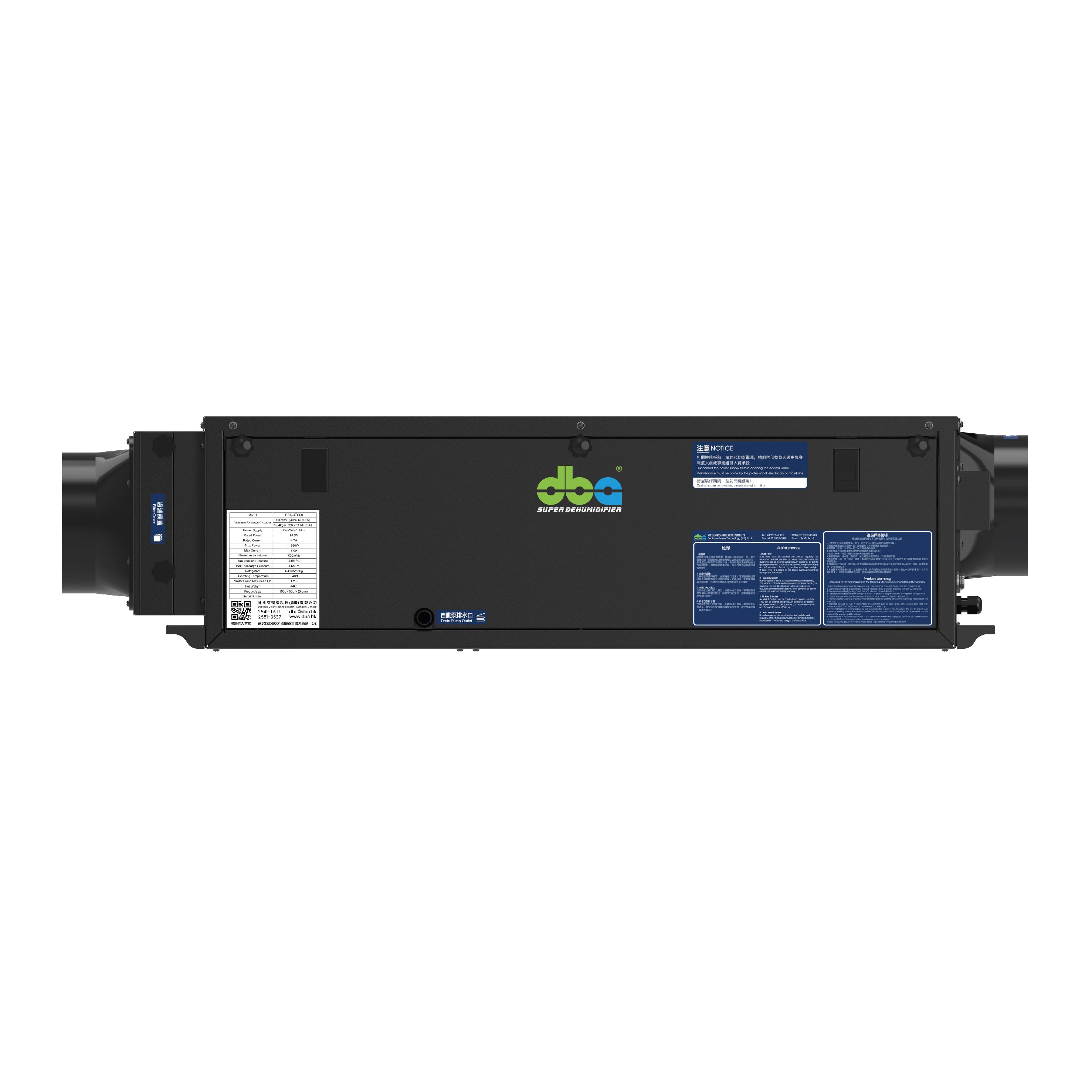
The signs you waited too long
If you find yourself recognising any of these, the unit is overdue:
- The room sits 5–10% RH above setpoint, but the unit runs constantly
- There is a faint musty smell from the supply grille
- You can hear water dripping inside the unit even when it is off
- A ceiling tile near the unit shows a circular water stain
- The compressor cycles on for 30 seconds then off — short-cycling on a temperature fault
None of these are emergencies. All of them are signals to do the next month's maintenance now, not later.
What we cover under a service contract
For commercial sites and residential clients who would rather not own the schedule, we offer an annual maintenance package — two on-site visits per year covering everything above, plus a written report on coil condition, sensor drift, and pump performance. Pricing depends on the number of units and location; ask us if you want details.
The shortest possible reminder
Filter monthly. Drain quarterly. Coil and UV-C lamp yearly. Get it on the calendar — the rest is muscle memory.
Maintenance contract
Outsource the schedule.
We service residential and commercial units across Singapore on annual or biannual visits. Send us your model and address.
Request a quote